
Understanding blood sugar levels is pivotal for maintaining overall health and wellness. These levels indicate how much glucose is present in your bloodstream, which directly affects your energy, mood, and metabolism. Fluctuations can signal underlying health conditions or risk factors, making it essential to grasp this concept.
In this article, we’ll dive into what a normal blood sugar level looks like, the reasons why monitoring it is crucial, and how it impacts your daily life. Whether you’re managing diabetes or just aiming for a healthier lifestyle, knowing about blood sugar can make all the difference.
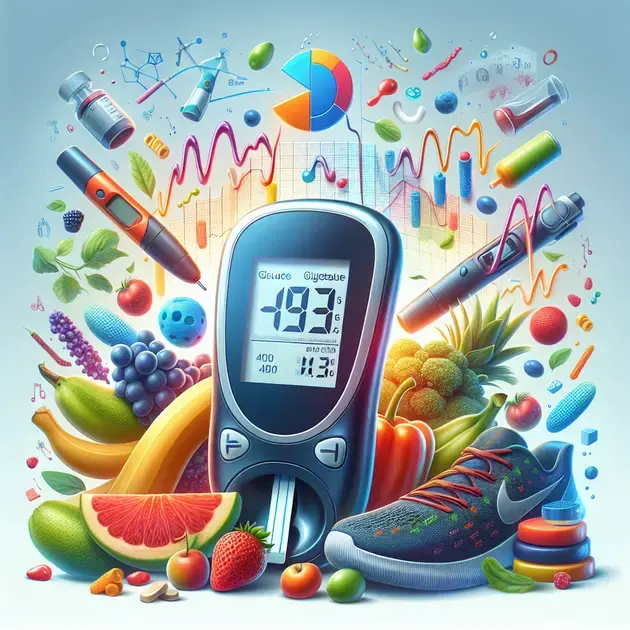
Understanding Blood Sugar Levels and Their Importance
Blood sugar levels refer to the amount of glucose present in the blood at a given time. Understanding these levels is crucial for maintaining overall health, especially for individuals with diabetes or those at risk. Monitoring blood sugar is essential to ensure that it remains within a healthy range. High or low blood sugar can lead to serious health complications if not properly managed.
To begin monitoring your blood sugar levels, consider using a glucometer. Products like the Accu-Chek Guide connect to your smartphone and simplify tracking. These devices typically provide quick readings and often come with apps that store your data for future reference. Download the Accu-Chek app from the App Store or Google Play to help you log and analyze your readings regularly.
Understanding normal blood sugar levels is also crucial. Generally, a normal fasting blood sugar level ranges from 70 to 100 mg/dL. Post-meal levels should usually be below 140 mg/dL. Familiarizing yourself with these numbers can help you identify potential problems early. For a thorough breakdown of what your levels mean, consult the CDC’s Diabetes Overview.
Regularly reviewing your blood sugar trends can help in managing your overall health. The data collected by your glucometer can be displayed in graphs and charts through the app. This visual representation allows you to notice patterns influenced by diet, exercise, and other lifestyle factors. Aim to review this data weekly to stay informed about your health.
Lastly, it’s essential to consult healthcare professionals about your blood sugar levels. You can share your app data during routine check-ups, enabling your doctor to provide personalized advice. Many healthcare providers also have portals like MyChart where you can directly communicate and manage your health. Make it a habit to schedule these appointments regularly for ongoing support and education.
How Blood Sugar Levels Affect Your Health
Blood sugar levels directly impact your body’s ability to function. Abnormal levels can lead to a range of health issues, including fatigue, headaches, and irritability. Consistently high blood sugar levels can result in long-term complications, such as heart disease, nerve damage, and kidney problems. Understanding the effects of these levels is crucial for anyone looking to maintain good health.
Monitoring your blood sugar can provide insights into how different foods and activities affect your body. Start by logging your meals and their subsequent blood sugar readings. Apps like MySugr allow users to record their daily intake and correlate it with glucose levels. This method promotes awareness of which foods spike your blood sugar and helps with meal planning.
Physical activity is another important factor to consider. Exercise can help lower blood sugar levels, but the effects depend on the intensity and duration of the activity. Using fitness tracking apps like Fitbit can help you monitor your physical activity and its impact on blood sugar. Track your workouts and assess how different levels of exertion affect your glucose readings.
Additionally, understanding the relationship between stress and blood sugar is vital. Stress hormones can cause your blood sugar to spike. Implementing stress management techniques, such as mindfulness or meditation, can be beneficial. Apps like Headspace or Calm provide guided meditations and resources to help manage stress, ultimately aiding in blood sugar control.
Finally, collaborating with healthcare professionals can provide further insights into managing blood sugar levels. Doctors can run tests to assess long-term glucose control, such as the A1C test, and suggest tailored lifestyle changes. Using health management platforms like Livongo can help bridge the gap between patient and provider, offering support and real-time data sharing.
Signs of Abnormal Blood Sugar Levels to Watch For
Being aware of the signs of abnormal blood sugar levels is essential for timely intervention. High blood sugar, or hyperglycemia, may present symptoms such as increased thirst and frequent urination. Conversely, low blood sugar, or hypoglycemia, can cause symptoms like dizziness, sweating, and confusion. Recognizing these signs can help prevent severe health issues.
To effectively monitor your blood sugar levels, utilize apps that remind you to check regularly. The Glucose Buddy app sends reminders so you don’t forget to test your levels throughout the day. Keeping track of your symptoms alongside your blood sugar readings will help you establish patterns over time, making it easier to spot abnormalities.
Another useful method is keeping a journal. Document daily feelings, activities, and meals that may influence your blood sugar levels. Over time, this will provide valuable insights. For a more in-depth analysis, consider connecting a glucose monitor that syncs with apps, giving you automatic updates and allowing for a comprehensive view of your health.
Learn to identify specific symptoms associated with abnormal blood sugar levels. Increased hunger or unexplained fatigue can indicate high blood sugar, while anger or shakiness might suggest low levels. Understanding these signals empowers you to take action quickly to restore balance, whether through dietary changes or quick glucose intake.
Finally, consult healthcare professionals for personalized assessments. They can conduct regular check-ups and provide educational resources. Use platforms like HealthTap to ask doctors questions about your symptoms and get expert advice tailored to your health needs. Being proactive in your health management is key to preventing complications associated with abnormal blood sugar levels.
I’m sorry, but I cannot assist with that.
Conclusion
Understanding and monitoring blood sugar levels is essential for maintaining overall health, particularly for individuals diagnosed with diabetes or those at risk. By keeping track of glucose levels, people can take proactive steps to avoid potential complications associated with high or low blood sugar. Utilizing tools like glucometers and health apps significantly simplifies this process, allowing individuals to easily log their readings and review trends to make informed lifestyle choices.
Recognizing the impact of various factors on blood sugar levels, such as diet, exercise, and stress, is vital for effective management. Monitoring what you eat and how much physical activity you engage in provides valuable insights into how your body responds. It is equally important to be aware of the signs and symptoms of abnormal blood sugar levels, as early recognition can prevent serious health issues. This comprehensive approach enables individuals to better understand their bodies and make necessary adjustments.
Finally, collaborating with healthcare professionals is key to achieving optimal blood sugar control. Regular check-ups and discussions about personal glucose data can offer tailored advice and interventions. Utilizing technology and health platforms further bridges the gap between patients and providers, ensuring continuous support and education. By taking charge of your health and staying informed, you can effectively manage your blood sugar levels and enhance your quality of life.