
Are you tired of following weight loss trends that don’t yield results? Understanding the role of fat burning in the weight loss process might be the breakthrough you need. This article explores whether fat burning truly is the key to losing weight effectively, providing insights that can reshape your approach to fitness and dieting.
Join us as we delve into the science behind fat burning, debunk common myths, and share practical tips that can accelerate your weight loss journey. Discover the mechanisms at play and learn how you can optimize your body’s fat-burning potential for lasting success.
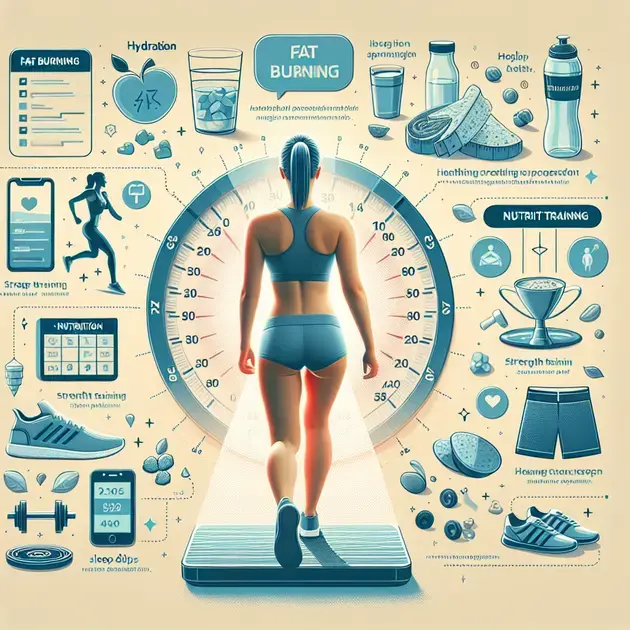
Understanding Fat Burning and Its Role in Weight Loss
Fat burning is a core component of effective weight loss. Understanding how your body burns fat can help you make informed choices about your diet and exercise. When you consume more calories than your body needs, the excess is stored as fat. Conversely, when you burn more calories than you intake, your body utilizes fat stores for energy, leading to weight loss.
To maximize fat burning, it’s essential to engage in both aerobic and anaerobic exercises. Aerobic exercises, like running and cycling, increase your heart rate, helping to deplete glycogen stores and eventually tapping into fat reserves. Anaerobic exercises, like weight lifting, build muscle, which can increase your resting metabolic rate. You can track your progress using apps like MyFitnessPal, where you can log your workouts and monitor calorie intake.
Nutrition also plays a crucial role in fat burning. A diet rich in whole foods, proteins, healthy fats, and fiber can promote satiety and enhance the fat burning process. For instance, include lean proteins like chicken and legumes, which help preserve muscle mass and promote fat loss. The app Cronometer can assist you in tracking your daily nutrient intake, ensuring you meet your dietary goals for effective fat burning.
Additionally, hydration is vital for optimal fat metabolism. Water supports the functions of kidneys and liver, which are essential for fat burning. Aim to drink at least 8 cups of water daily and consider using a hydration-tracking app like WaterMinder to help you stay on track.
Lastly, adequate sleep is essential for effective fat burning. Disrupted sleep patterns can increase hunger hormones, leading to poor food choices. Aim for 7-9 hours of quality sleep per night, and consider using sleep-tracking apps like Sleep Cycle to analyze your sleep patterns and improve your rest.
The Science Behind Effective Weight Loss Strategies
The science of weight loss revolves around the concept of energy balance. This refers to the relationship between calories consumed and calories burned. Understanding this balance can help you implement effective weight loss strategies. Studies indicate that a consistent caloric deficit is necessary for weight loss, which means you need to consume fewer calories than you burn.
One effective strategy is to integrate High-Intensity Interval Training (HIIT) into your fitness routine. HIIT workouts alternate between short bursts of intense activity and recovery periods. This method has been shown to increase metabolic rate long after the workout is finished. You can find guided HIIT workouts on applications like Nike Training Club, which also offers various fitness levels and durations.
Carbohydrate cycling is another innovative approach to weight loss, where you alternate high-carb days with low-carb days. This method can improve insulin sensitivity and fat oxidation. You can use apps like Carb Manager to help you track your carbohydrate intake and tailor your diet to this strategy.
Behavioral changes are also crucial in weight loss. Keeping a food diary can help you become more aware of your eating habits. Apps like Lose It! allow you to log your food intake and physical activities, assisting you in identifying patterns and making more informed food choices.
Moreover, incorporating the principle of mindful eating—paying attention to your hunger and fullness cues—can help prevent overeating. Mindfulness apps like Headspace can guide you in developing this skill, helping you become more attuned to your body’s needs during meals.
Practical Tips to Enhance Your Fat Burning Process
Enhancing your fat-burning process can be achieved with practical strategies integrated into your daily life. First, focus on increasing your physical activity throughout the day. Simple changes like taking the stairs instead of the elevator or walking during breaks can contribute to overall calorie burn. Consider using pedometer apps like Google Fit to track your daily steps and encourage more movement.
Incorporating strength training into your fitness regimen is another effective way to boost fat burning. Increasing muscle mass raises your basal metabolic rate, meaning you burn more calories at rest. You can start with bodyweight exercises or use fitness apps like Bodyweight Fitness to learn effective routines that require minimal equipment.
Your diet should also be optimized for fat burning. Focus on eating smaller, more frequent meals that include protein and healthy fats, which promote a feeling of fullness and prevent overeating. Consider utilizing meal planning apps like Mealime, which can help you prepare balanced meals ahead of time.
Consider the timing of your meals as well. Eating a balanced breakfast may kick-start your metabolism. Studies show that a protein-rich breakfast can reduce cravings and promote better fat loss. Use recipe apps like Yummly to find healthy breakfast ideas that fit your nutritional goals.
Lastly, find ways to manage stress effectively. Chronic stress can lead to hormonal imbalances that promote weight gain. Activities such as yoga and meditation can help reduce stress levels. Apps like Calm offer guided sessions that help you learn relaxation techniques to incorporate into your daily routine, ultimately enhancing your overall fat burning process.

Understanding Fat Burning: The Science Behind It
Fat burning is a metabolic process that takes place in your body when it uses fat as a fuel source. To truly understand how fat burning works, it is essential to grasp the role of calories, energy expenditure, and hormonal balance. When your body needs energy, it can choose to burn carbohydrates or fats. During periods of intense activity or caloric deficit, fat burning becomes more prominent.
The primary hormones involved in fat burning include insulin, glucagon, and cortisol. Insulin, produced when you eat, decreases fat burning by signaling the body to store fat. In contrast, glucagon promotes fat burning, especially during fasting periods. A balance between these hormones is crucial for effective fat burning.
Regular exercise, especially aerobic activities, significantly enhances your body’s fat-burning ability. When you engage in prolonged physical activity, your body transitions from predominantly burning carbs to utilizing fat for energy. This switch is vital for increasing your overall fat burning capacity.
Another factor affecting fat burning is your basal metabolic rate (BMR), which measures the number of calories your body needs at rest. Incorporating strength training can increase your BMR, helping you burn more calories, even while at rest, leading to improved fat-burning potential.
In summary, understanding the science behind fat burning involves recognizing the role of hormones, energy sources, and metabolic rates. By targeting these areas through lifestyle changes, such as exercise and diet, you can enhance your body’s natural fat-burning abilities.
Best Exercises for Fat Burning
When it comes to fat burning, the type of exercise you engage in can make a significant difference. High-Intensity Interval Training (HIIT) is among the top fat-burning workouts. HIIT consists of short, intense bursts of exercise followed by brief recovery periods. This approach maximizes calorie burn and promotes fat loss, even after the workout has finished.
Traditional cardiovascular exercises, such as running, cycling, or swimming, are also effective for fat burning. These workouts elevate your heart rate and help your body tap into fat stores for energy. Maintaining a steady pace over longer durations encourages the utilization of fat as fuel.
Incorporating strength training into your routine can boost fat burning as well. Lifting weights leads to muscle hypertrophy, resulting in a higher BMR. More muscle mass means your body burns more calories at rest, ultimately enhancing your fat-burning capacity.
Additionally, incorporating functional moves like squats, lunges, and kettlebell swings allows different muscle groups to work together. This approach not only burns calories during the workout but also emphasizes fat burning through increased muscle engagement.
To maximize the fat-burning effects of these exercises, consider combining different types in a well-rounded fitness program. Mixing cardio, strength, and HIIT can create an efficient workout regimen to promote optimal fat burning.
Nutrition Tips for Enhanced Fat Burning
Diet plays a crucial role in determining how effectively your body can engage in fat burning. Consuming a balanced diet rich in whole foods, healthy fats, lean proteins, and complex carbohydrates can enhance your fat-burning capabilities. Foods like avocados, nuts, seeds, and fatty fish provide essential fatty acids that support metabolic health.
Protein is another critical factor in the fat-burning process. High-protein diets promote feelings of fullness, reduce cravings, and increase the thermic effect of food, meaning your body burns more calories digesting protein than fats or carbs. Incorporating lean meats, legumes, and dairy can provide the protein needed to support fat burning.
Additionally, staying properly hydrated is vital for optimal metabolic function. Dehydration can slow down your body’s ability to burn fat. Aim to drink plenty of water throughout the day, particularly before meals, as this can help control hunger and support overall health.
It’s also essential to consider meal timing and portions. Eating smaller, more frequent meals can help stabilize blood sugar levels and keep your metabolism active, thus promoting fat burning. This strategy can be particularly effective for those who struggle with large meals.
Lastly, be mindful of sugar intake. Highly processed foods often contain added sugars that can hinder fat burning by causing insulin spikes. Focus on consuming natural sugars from fruits and vegetables while limiting processed foods to optimize your overall fat-burning process.
Supplements to Boost Fat Burning
Many supplements claim to promote fat burning, but not all are effective or safe. Some popular options include green tea extract and caffeine. Both have demonstrated potential benefits regarding enhanced fat burning. Green tea extract can increase your metabolic rate and promote fat oxidation during exercise.
Caffeine, a natural stimulant, boosts energy levels and can enhance performance and fat oxidation. It’s often included in pre-workout formulas, making workouts more effective for fat burning. However, moderation is key to avoid potential side effects like jitters or insomnia.
Another supplement to consider is L-carnitine, which plays a role in transporting fatty acids into cells to be burned for energy. This may improve endurance and enhance fat burning during workouts, making it a popular choice among athletes.
Conjugated Linoleic Acid (CLA) is another supplement that has gained attention for its potential fat-burning properties. Some studies suggest that CLA may help reduce body fat by increasing metabolic rate and promoting the breakdown of fat cells.
While supplements can support fat burning, they should not replace a balanced diet and exercise program. Always consult with a healthcare professional before starting any new supplement to ensure it aligns with your individual needs and goals.
Challenges to Fat Burning and How to Overcome Them
There are several challenges to effective fat burning that individuals may face, such as plateaus, emotional eating, and unrealistic expectations. Recognizing these challenges is the first step in overcoming them and continuing your fat-burning journey.
Weight loss plateaus are common when the body adapts to changes in diet and exercise. To overcome this, consider varying your routine. Introducing new workouts, altering your meal plan, or increasing your intensity can help jumpstart fat burning once again.
Emotional eating can derail your efforts, leading to excessive calorie intake and hindering fat burning. Developing mindfulness practices around eating, such as keeping a food journal, can help you identify triggers and create healthier coping mechanisms.
Unrealistic expectations can lead to frustration and a lack of motivation. Focus on setting achievable goals and celebrate small milestones throughout your journey. This approach can keep you motivated and engaged in the fat-burning process.
Lastly, ensure you are allowing your body to recover through adequate sleep and rest days. Fat burning occurs not just during workouts but also during recovery. Prioritizing rest can ensure continual progress in your fat-burning journey.
Conclusion
Understanding fat burning is crucial for anyone pursuing effective weight loss. This process involves knowing how your body utilizes fat as energy, the importance of maintaining a caloric deficit, and the role exercise and nutrition play. Engaging in both aerobic and anaerobic exercises can help maximize fat burning, while maintaining a balanced diet rich in whole foods, lean proteins, and healthy fats can optimize the body’s ability to shed excess weight. Staying hydrated and getting adequate sleep are also essential components that support the fat-burning process, highlighting the need for a holistic approach to weight management.
Incorporating successful weight loss strategies such as High-Intensity Interval Training (HIIT) and understanding carbohydrate cycling can also significantly enhance your fat-burning journey. By tracking your progress with various apps and adjusting your fitness and nutritional routines as needed, you’re better equipped to overcome challenges like plateaus and emotional eating. Practicing mindful eating can further assist in fostering a healthy relationship with food, ultimately leading to more sustainable weight loss results.
Lastly, recognizing potential obstacles in the journey towards effective fat burning is key to maintaining motivation and progress. Setting realistic goals, celebrating small achievements, and prioritizing recovery and rest can empower you to navigate these challenges successfully. Remember, the path to weight loss and fat burning is not a straight line, but a journey filled with opportunities for growth and learning. By applying the insights and strategies mentioned, you can enhance your fat-burning potential and work towards achieving your weight loss goals.