
Type one diabetes mellitus is a chronic condition characterized by the pancreas producing little or no insulin, requiring careful management of blood sugar levels through diet, technology, and a strong support system.
Living with type one diabetes mellitus can often feel overwhelming. But understanding your condition is the first step toward effective management. Have you ever wondered how lifestyle changes can impact your daily routine? Let’s uncover how to navigate this journey together.
What is type one diabetes mellitus?
Type one diabetes mellitus is a chronic condition that occurs when the pancreas produces little or no insulin. Insulin is a hormone that is crucial for converting glucose from food into energy. Without it, glucose builds up in the bloodstream, leading to high blood sugar levels.
This type of diabetes often develops in children and young adults, which is why it was previously known as juvenile diabetes. However, it can appear at any age.
In people with type one diabetes, the body’s immune system mistakenly attacks and destroys the insulin-producing beta cells in the pancreas. The exact cause of this immune reaction is still not fully understood, but genetics and environmental factors may play a role.
Symptoms can include excessive thirst, frequent urination, extreme fatigue, and blurred vision. If not managed properly, type one diabetes can lead to serious complications, including heart disease, nerve damage, and kidney issues.
Common symptoms of type one diabetes

Common symptoms of type one diabetes can vary from person to person, but several signs are frequently observed.
One of the primary symptoms is increased thirst, also known as polydipsia. People may feel unquenchable thirst and drink much more water than usual.
Frequent urination, or polyuria, is another key symptom. This occurs when the kidneys filter out excess glucose from the blood, leading to increased urination.
Extreme fatigue is also typical. When the body’s cells cannot absorb glucose for energy, individuals may feel unusually tired and weak.
Other symptoms can include blurred vision and weight loss. The latter can happen unexpectedly as the body starts to break down fat and muscle for energy when it can’t utilize glucose effectively.
Additionally, some may experience hunger pangs, or polyphagia, due to insufficient energy entering the cells.
If you notice any of these symptoms, it is important to consult a healthcare professional for appropriate testing and diagnosis.
Causes and risk factors of type one diabetes
The exact causes of type one diabetes are not completely understood, but it is primarily thought to be an autoimmune condition. In this scenario, the body’s immune system mistakenly attacks and destroys insulin-producing cells in the pancreas known as beta cells.
Genetic factors play a significant role in increasing the risk of developing type one diabetes. Individuals who have a family history of the disease are more likely to develop it themselves.
Environmental triggers may also contribute to the onset of type one diabetes. Certain viral infections, such as mumps or epstein-barr virus, have been linked to this condition. Additionally, a lack of exposure to common childhood infections may increase the risk.
Other risk factors include being of Caucasian descent, as this population shows a higher prevalence of type one diabetes. Furthermore, an early age of onset typically indicates a greater risk.
While the presence of risk factors does not guarantee that an individual will develop type one diabetes, being aware of them can help in monitoring and early detection.
Daily management tips for living with type one diabetes

Managing type one diabetes on a daily basis requires careful planning and awareness. Here are some essential tips to help you navigate your condition effectively.
Monitor blood sugar levels regularly. Keeping an eye on glucose levels helps you understand how food, activity, and insulin affect your body. It’s recommended to check your blood sugar at different times during the day.
Follow a balanced diet. Eating a variety of healthy foods can help stabilize blood sugar. Focus on whole grains, fruits, vegetables, lean proteins, and healthy fats. Learn to count carbohydrates to manage your insulin doses effectively.
Stay active. Regular exercise is important. Aim for at least 30 minutes of moderate activity most days of the week. Physical activity can help improve insulin sensitivity and minimize blood sugar spikes.
Keep insulin and supplies accessible. Always carry spare insulin, syringes, and monitoring equipment. This ensures that you are prepared for any situation, whether at home or on the go.
Educate yourself and others. Understanding more about your condition can help you manage it better. Share your knowledge with family and friends to create a supportive network.
Communicate with your healthcare team. Regular check-ins with your doctor, nutritionist, or diabetes educator can help you stay on track and make necessary adjustments to your management plan.
Nutritional considerations for type one diabetes
Nutritional management is crucial for those living with type one diabetes. Making informed food choices helps maintain stable blood sugar levels and overall health.
Carbohydrate counting is a key strategy. Understanding how many carbohydrates are in foods helps you match your insulin doses with your meals more accurately. Focus on learning how to read food labels, which can guide you in your choices.
Choose whole foods whenever possible. Incorporate whole grains, lean proteins, healthy fats, fruits, and vegetables into your diet. These foods offer essential nutrients and can help regulate blood sugar levels.
Limit processed foods and sugary snacks. These items often contain high levels of refined sugars and unhealthy fats, which can lead to blood sugar spikes.
Consider portion sizes. Eating balanced portions at each meal can help manage hunger and blood sugar. Tools like measuring cups and food scales can be useful for portion control.
Stay hydrated by drinking plenty of water throughout the day. Avoid sugary drinks as they can impact blood sugar levels significantly.
It can also be beneficial to consult with a registered dietitian who specializes in diabetes. They can create a personalized meal plan that fits individual preferences and needs.
The role of technology in diabetes management
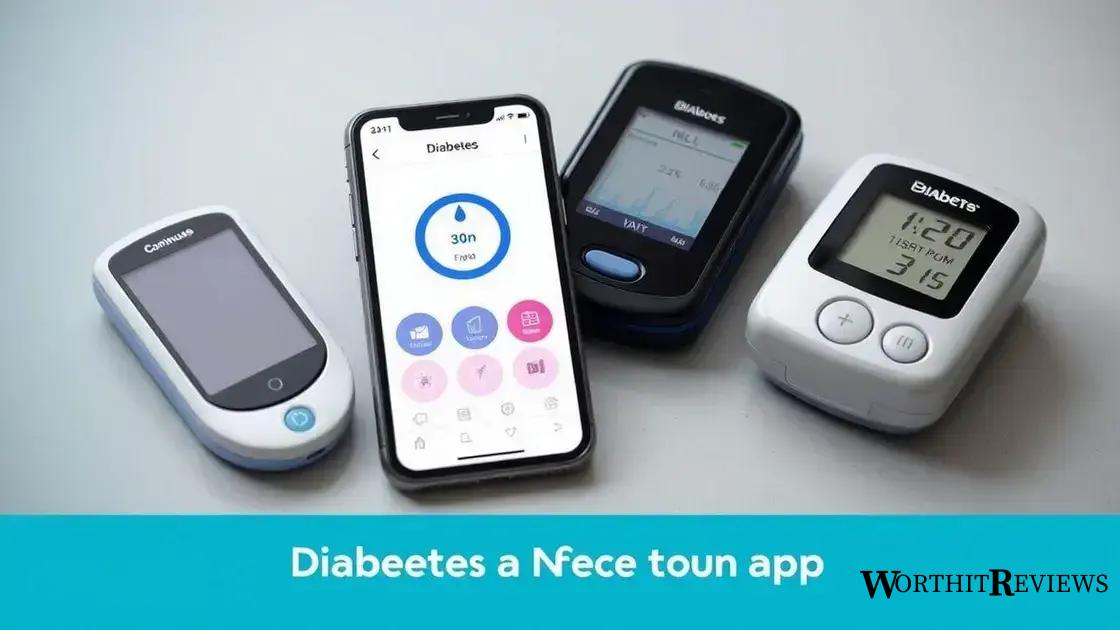
Technology plays a significant role in managing type one diabetes, making it easier for individuals to monitor their condition and stay healthy.
Continuous Glucose Monitors (CGMs) are one of the essential advancements in diabetes care. CGMs track blood sugar levels in real-time and send data to a smartphone app, allowing users to see trends and make informed decisions about their insulin and diet.
Insulin pumps provide a convenient way to deliver insulin. These devices automatically administer insulin to manage blood glucose levels more effectively, reducing the need for multiple daily injections.
Mobile apps are helpful for tracking food intake, physical activity, and glucose levels. Many apps also offer educational resources, reminders for medication, and connections to healthcare providers.
Telemedicine allows individuals to consult with healthcare providers from home. Regular check-ins and consultations via video calls can help ensure proper diabetes management and address concerns quickly.
Artificial Intelligence (AI) is also making strides in diabetes management. Some algorithms can predict blood sugar spikes and suggest adjustments in insulin dosages or dietary choices, enhancing personalized care.
By integrating these technologies into daily routines, individuals with type one diabetes can achieve better control over their condition and improve their quality of life.
Support systems for individuals with type one diabetes
Having a robust support system is vital for individuals living with type one diabetes. This system can help them manage their condition and improve their overall well-being.
Family support plays a crucial role. Family members can help with daily management tasks, such as monitoring blood sugar levels and preparing meals. Emotional encouragement can also strengthen resilience and provide reassurance during challenging times.
Friends can be a great source of support as well. Having friends who understand the condition makes social situations easier, especially when dining out or engaging in activities that might affect blood sugar levels.
Support groups offer a platform for individuals to share experiences and feelings. Connecting with others who have type one diabetes can foster a sense of community and reduce feelings of isolation.
Online communities also provide valuable resources and advice. Many forums and social media groups are dedicated to diabetes management, where individuals can exchange tips and support each other.
Healthcare professionals such as diabetes educators and dietitians are essential. They can provide crucial guidance on disease management, nutrition, and exercise tailored to each individual’s needs.
Utilizing these support systems can empower individuals with type one diabetes to lead healthier, more fulfilling lives.
Managing type one diabetes effectively
Living with type one diabetes requires a combination of knowledge, support, and commitment. By understanding the symptoms, causes, and daily management techniques, individuals can take control of their health.
Utilizing technology, following a balanced diet, and engaging with supportive networks are all important steps in managing this condition. The role of family, friends, and healthcare providers contributes greatly to the overall well-being of those with type one diabetes.
By implementing these strategies and seeking help when needed, individuals can thrive and lead fulfilling lives despite the challenges posed by diabetes.
FAQ – Frequently Asked Questions about Type One Diabetes Management
What is type one diabetes?
Type one diabetes is a chronic condition where the pancreas produces little or no insulin, requiring individuals to manage their blood sugar levels carefully.
What are the common symptoms of type one diabetes?
Common symptoms include increased thirst, frequent urination, extreme fatigue, and blurred vision.
How can technology help in managing type one diabetes?
Technology, such as continuous glucose monitors and insulin pumps, helps individuals track their blood sugar levels and manage insulin delivery more effectively.
Why is a support system important for individuals with type one diabetes?
A support system provides emotional encouragement and practical help, making it easier to manage the challenges of living with diabetes.
What dietary considerations should someone with type one diabetes keep in mind?
Individuals should focus on a balanced diet that includes whole grains, lean proteins, and healthy fats, while monitoring carbohydrate intake to manage blood sugar.
How can I find support for managing my type one diabetes?
Support can come from family, friends, support groups, online communities, and healthcare professionals who specialize in diabetes management.