
Understanding the health blood glucose range is crucial for everyone, especially if you’re managing diabetes or want to prevent future complications. Knowing where your numbers should fall can empower you to make informed decisions about your diet and lifestyle.
In this article, we’ll explore what constitutes a healthy blood glucose range, how these levels fluctuate throughout the day, and the steps you can take to maintain optimal health. Whether you’re monitoring your blood sugar regularly or simply want to learn more, this guide will provide you with essential insights.
Understanding Healthy Blood Glucose Levels
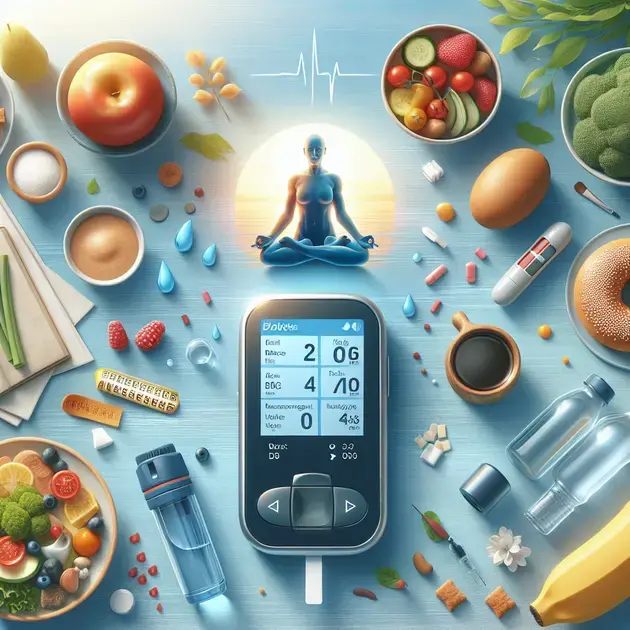
Maintaining healthy blood glucose levels is essential for overall health. Blood glucose levels refer to the amount of sugar present in your bloodstream. Ideally, these levels should remain within a certain range to avoid issues such as diabetes and hypoglycemia. To understand what is considered healthy, one must recognize both the fasting and post-meal blood sugar levels. Fasting levels should be between 70-99 mg/dL, while levels two hours after eating should be less than 140 mg/dL.
Regular monitoring is crucial for those at risk of glucose imbalances. Devices like the Dexcom G6 Continuous Glucose Monitoring System efficiently track your glucose levels throughout the day. You can download and set up the Dexcom app on your smartphone, allowing you real-time access to your data. This provides a convenient overview and can help you make informed dietary choices.
Aside from tracking devices, educational resources such as the American Diabetes Association website can help individuals learn more about their blood glucose levels. It offers comprehensive guidelines on what constitutes a healthy range, along with the implications of both high and low readings. The site is user-friendly and supports individuals in navigating their health journey effectively.
Another important aspect of understanding blood glucose levels is identifying symptoms related to imbalances. Symptoms of high blood sugar include excessive thirst, frequent urination, and fatigue, while low blood sugar may cause dizziness, sweating, and confusion. Daily tracking allows you to identify patterns and respond to your body’s needs more proactively.
Incorporating lifestyle factors such as diet, exercise, and sleep also plays a role in maintaining healthy levels. Using apps like MyFitnessPal can help you monitor your dietary intake, ensuring you consume balanced meals that suit your blood glucose management goals. Tracking not only aids in maintaining a healthy level but also educates you on the foods that can stabilize or spike your sugar levels.
Importance of Monitoring Your Blood Glucose Range
Monitoring blood glucose levels is a vital aspect of managing health, especially for individuals with diabetes. Understanding your blood glucose range allows you to determine where you fall between the acceptable limits. Regular checks can help you catch any upward trends early, preventing long-term complications such as nerve damage, kidney issues, or cardiovascular problems.
To begin monitoring, you can invest in a glucometer, which offers a fairly simple way to check your blood sugar. Devices like the Accu-Chek Guide are accessible and come with easy-to-follow instructions. To use it, simply insert a test strip, prick your finger, and apply a drop of blood to the strip. Results will be displayed within seconds, giving you immediate feedback.
For ongoing tracking, apps like Glucose Buddy allow you to log your readings and view trends over time. After logging into the app, you can enter your results and even note factors such as the time of day and recent meals. This is useful for recognizing patterns in your glucose levels, enabling you to adjust your diet or activity accordingly.
Being proactive with monitoring extends beyond just reading numbers; it involves interpreting the data. Understanding why fluctuations occur can enhance your control over blood sugar. For instance, prolonged stress can lead to elevated glucose levels. By keeping a diary or using apps that integrate mood tracking, you can start linking emotions or events to your glucose responses.
Finally, primary healthcare providers play a crucial role in interpreting glucose monitoring results. Regular check-ups that include A1C tests can provide a larger picture of your long-term glucose control. Building a relationship with a healthcare provider and making the most of consultations can guide you towards living a healthier and more balanced life.
Tips for Maintaining a Healthy Blood Glucose Level
Maintaining healthy blood glucose levels is achievable through a combination of lifestyle choices and monitoring. First and foremost, a balanced diet is key. Eating small, well-balanced meals throughout the day helps stabilize glucose levels. Focus on incorporating whole grains, lean proteins, fruits, and vegetables into your diet. Tools like Mealime can assist in meal planning, making it simple to prepare nutritious meals and avoiding unhealthy snacking.
Regular exercise also plays a significant role in managing blood glucose levels. Aim for at least 150 minutes of moderate exercise weekly. Simple activities such as brisk walking, cycling, or swimming can have profound effects. Using apps like Fitbit can help you set achievable fitness goals and track your activity levels. By staying active, you improve your body’s insulin sensitivity, which helps regulate blood sugar.
Stress management techniques are equally essential in maintaining glucose stability. Activities like yoga and meditation can lower cortisol levels, which is known to affect blood sugar. Platforms like Headspace provide guided meditation sessions focused on stress relief and can be easily integrated into your daily routine. Prioritizing mental well-being is crucial for overall health.
Another crucial tip involves hydrating properly. Staying hydrated helps the kidneys flush out excess sugar through urine. Aim for at least eight glasses of water daily. Apps like WaterMinder can serve as reminders to help you hit your hydration goals throughout the day.
Finally, consistency is vital. Regularly monitor your blood sugar levels and maintain open communication with your healthcare provider. Consistent checking helps identify what works best for you, from dietary choices to exercise routines. Utilizing data from devices and apps ensures you stay informed, allowing you to make necessary adjustments for optimal health.
Understanding the Health Blood Glucose Range
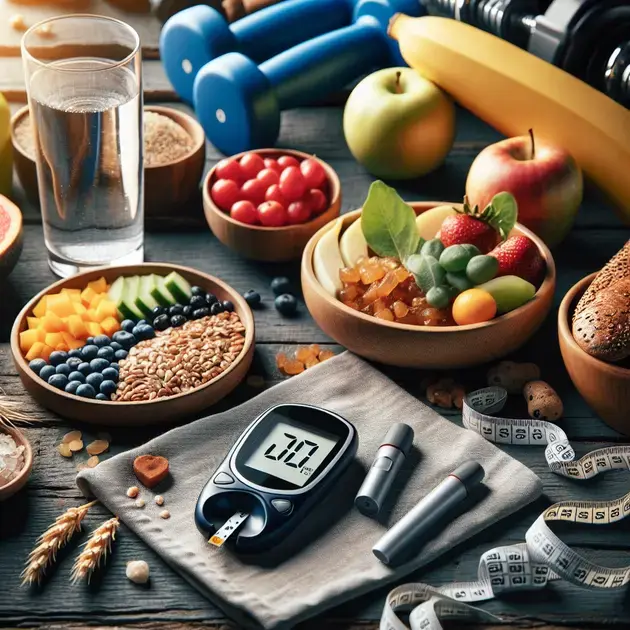
The health blood glucose range is crucial for maintaining overall health, particularly for individuals with diabetes or those at risk of developing it. Blood glucose levels fluctuate throughout the day, influenced by food intake, physical activity, and other factors. Understanding what constitutes a healthy range is vital for effective management and prevention of complications.
Generally, a normal health blood glucose range is categorized as follows: fasting levels should be below 100 mg/dL, while levels two hours after eating should be below 140 mg/dL. It’s important to monitor your blood glucose regularly to ensure it stays within these limits. Consistently high or low levels can indicate underlying health issues that require attention.
It’s also essential to note that individual targets may vary. A healthcare provider may set personalized goals based on factors like age, duration of diabetes, and overall health. Regular check-ups and consultations with a healthcare professional can provide tailored guidance on maintaining a healthy blood glucose range.
Monitoring techniques have advanced significantly, making it easier for individuals to track their levels. Continuous Glucose Monitoring (CGM) systems offer real-time data, enabling users to respond promptly to fluctuations in their health blood glucose range. By understanding the readings, individuals can make informed choices about diet, exercise, and medication adjustments.
Incorporating lifestyle changes can significantly improve your health blood glucose range. Focusing on a balanced diet rich in whole grains, fruits, vegetables, and lean proteins can help maintain stable levels. Regular physical activity and stress management techniques also play a pivotal role in achieving and sustaining a healthy blood glucose level.
How to Monitor Your Health Blood Glucose Range
Monitoring your health blood glucose range is essential for managing diabetes and preventing complications. The first step is to choose the right monitoring tool, such as a traditional blood glucose meter or a Continuous Glucose Monitoring (CGM) system. Each method has its advantages, and you should select one that fits your lifestyle best.
Once you have your monitoring device, the next step is to learn how to use it properly. For traditional meters, wash your hands thoroughly before testing to ensure accuracy. Use a fresh test strip, and follow the instructions to obtain a drop of blood for analysis. It’s advisable to record your blood glucose readings regularly to identify patterns and trends in your health blood glucose range.
Creating a testing schedule can enhance your awareness of your blood glucose levels. You may want to test your levels before meals, two hours after meals, and at bedtime. This comprehensive approach provides valuable insights into how different foods and activities impact your health blood glucose range, enabling you to make informed dietary and lifestyle choices.
After collecting data, reviewing and analyzing your readings with a healthcare provider is crucial. This collaboration can lead to better strategies for maintaining a stable health blood glucose range. Your healthcare provider can also help you understand any fluctuations in your readings and adjust treatment plans accordingly.
In addition, consider using a blood glucose awareness app to keep track of your readings and notes on diet and exercise. These digital tools can highlight trends over time, helping you take proactive measures to stay within your desired health blood glucose range.
The Role of Diet in Maintaining a Healthy Blood Glucose Range
Your diet has a profound effect on your health blood glucose range, and making informed food choices is vital for effective management. A well-balanced diet can help stabilize your blood sugar levels and contribute to overall health. Start by focusing on complex carbohydrates, which digest slower than simple sugars, preventing spikes in blood glucose levels.
Incorporating more whole foods such as whole grains, lean proteins, and plenty of fruits and vegetables into your meals creates a balanced plate. Foods high in fiber can improve digestion and slow the absorption of glucose. Monitor portion sizes and consider carbohydrate counting to keep your health blood glucose range within the target levels.
It’s essential to stay hydrated as well. Drinking plenty of water can help manage blood sugar levels, as dehydration can cause glucose levels to rise. Avoid sugary drinks and excessive caffeine, which can lead to fluctuations in your health blood glucose range.
Planning meals ahead can help you adhere to a healthy eating regimen. Prepare and incorporate various nutrient-dense foods, and avoid drastic dietary changes that can lead to unstable blood sugar levels. Frequent small meals throughout the day can also prevent extreme dips and spikes.
Finally, don’t ignore the importance of understanding foods’ glycemic index. Foods with a low glycemic index release glucose slowly, while high-glycemic foods can cause rapid spikes. By making conscious food choices, you can better manage your health blood glucose range effectively. Sharing your meal plans with a dietitian to refine your choices can also be immensely helpful.
The Impact of Physical Activity on Blood Glucose Levels
Engaging in regular physical activity is one of the best ways to manage your health blood glucose range. Exercise enhances insulin sensitivity, allowing your body to use glucose more effectively. Incorporating a mix of aerobic exercises and strength training into your routine can yield significant improvements in blood sugar control.
Start by setting achievable fitness goals. Aim for at least 150 minutes of moderate aerobic activity weekly. Activities such as brisk walking, cycling, or swimming can elevate your heart rate and contribute to overall health. A gradual increase in activity levels can help maintain a healthy blood glucose range over time.
It’s essential to monitor how physical activity affects your health blood glucose levels. Consider testing your blood glucose before and after exercise sessions to understand the impact of different activities. You may need to adjust your carbohydrate intake or medication accordingly based on your findings.
Incorporate strength training exercises at least two days a week. This can boost your metabolism and improve glucose uptake, playing a key role in stabilizing your health blood glucose range. Resistance exercises with weights or bodyweight workouts can help build muscle and support long-term health.
Don’t forget about consistency. Find an exercise routine that you enjoy, as you’re more likely to stick with it over the long term. Whether it’s group classes, outdoor sports, or solo activities, maintaining regular physical activity will significantly improve your ability to manage and stabilize your blood glucose levels effectively.
Understanding the Effects of Stress on Blood Glucose Levels
Stress can have direct and significant effects on your health blood glucose range, often causing levels to rise. When the body is under stress, it produces hormones like cortisol and adrenaline, which can lead to increased blood sugar levels. Recognizing and managing stress is essential for maintaining stable blood glucose levels.
To understand the impact of stress on your blood sugar levels, monitor your health blood glucose range during stressful periods. Testing your levels before, during, and after stressful events can provide insight into how your body reacts, allowing you to develop better stress management strategies.
Incorporating stress-relief techniques into your daily routine can significantly impact your health. Mindfulness practices such as meditation, deep breathing, or yoga can help reduce stress levels. Determine which methods work best for you, and commit to regular practice as part of your lifestyle changes.
Engaging in hobbies, spending time with loved ones, or participating in physical activities can serve as effective stress reducers. It’s essential to carve out time in your schedule for enjoyable and fulfilling activities that can help mitigate the feelings of stress and anxiety that might negatively affect your health blood glucose range.
Lastly, seeking professional help for stress management also proves beneficial. Therapists or counselors can provide valuable coping strategies. By addressing stress proactively, you can better protect your health blood glucose range from harmful fluctuations, ultimately leading to improved overall well-being.
Conclusion
Maintaining healthy blood glucose levels is crucial for overall health and well-being. By understanding what ranges are considered normal and recognizing the importance of regular monitoring, individuals can take proactive steps to manage their health effectively. This involves using tools such as glucometers and apps to track glucose levels and observe the impact of diet and physical activity. Knowledge about blood sugar fluctuations empowers individuals to identify patterns that might disrupt their health, thus encouraging more informed lifestyle choices.
Implementing lifestyle changes, such as a balanced diet rich in whole foods, regular physical activity, and effective stress management techniques, plays a significant role in stabilizing blood glucose levels. As emphasized, regular exercise enhances insulin sensitivity and helps control blood sugar, while a diet tailored to individual health needs can prevent unwanted spikes. Staying hydrated and understanding the glycemic index of foods can further aid in maintaining a healthy blood glucose range.
Ultimately, fostering a supportive relationship with healthcare providers offers invaluable insights into long-term management. Regular check-ups, consultations, and professional guidance ensure that individuals stay well-informed and achieve tailored strategies to maintain their health effectively. Emphasizing the importance of continuous education and monitoring, individuals can take charge of their health journey, contributing to a healthier and more balanced life. By prioritizing healthy blood glucose levels, individuals not only prevent potential health complications but also enhance their overall quality of life.